Salt air, harbor views, and a quick train ride to Manhattan can make life on the Mamaroneck waterfront feel special. If you picture morning walks by the marina and dinner on a patio with boats drifting by, you’re in the right place. At the same time, waterfront living comes with details to research, from flood zones and insurance to marina waitlists and parking rules. In this guide, you’ll get a clear, practical look at daily life on the water, the homes you’ll find, and the smart steps to take before you buy. Let’s dive in.
Waterfront vibe and walkability
Living near Mamaroneck Harbor puts you close to the action. You can stroll along short promenades, pass marinas and boatyards, and reach coffee shops and everyday services on foot. Residential blocks feel calm, while the streets near the train station and harbor see more activity during commute hours and weekends.
Walkability varies by street, so it’s helpful to walk from any property you’re considering to the station, supermarket, and shoreline at different times of day. For local updates on sidewalks, parking, and permits, check the Village of Mamaroneck and the Town of Mamaroneck.
Parks and shoreline access
Waterfront living here often means being close to small parks, picnic spots, and short paths along the harbor. Some stretches are public, while others run alongside private docks or marinas. Access can change block by block, and some beaches require permits or have resident-only rules.
Before you plan a beach day, verify which parks and beaches are public and whether permits are required. County parks and Sound-facing green spaces are a short drive away. Use Westchester County Parks for regional options and park details.
Boating and marinas
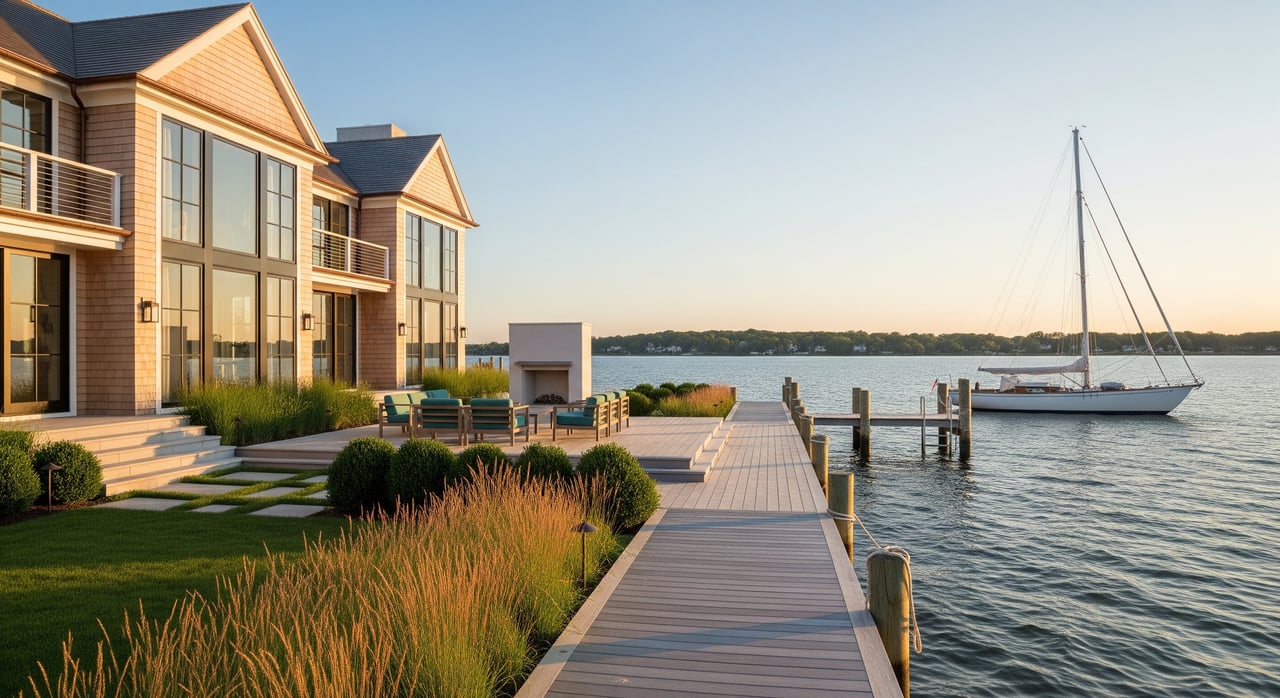
Mamaroneck supports a robust boating community. You’ll see day sailors, small powerboats, and club racers throughout the warm months. Slips and moorings can be competitive, and many facilities offer seasonal contracts, waiting lists, and winter storage.
If being on the water is a priority, reach out early to the harbormaster or local marinas to confirm current slip availability, mooring requirements, and launch logistics. The Village of Mamaroneck site is a good starting point for harbormaster contacts and harbor regulations.
Dining and local stops
Waterfront-adjacent dining ranges from casual seafood spots to sit-down restaurants with harbor views. Many offer outdoor seating in warmer months. In the compact downtown near the station, you’ll also find bakeries, markets, and specialty shops.
New openings and seasonal menus change often. Local newspapers and community outlets provide the most current lists and trends, so explore on foot and follow neighborhood coverage to see what fits your taste and routine.
Seasons on the Sound
The rhythm of waterfront life is seasonal. Spring and summer bring marina buzz, outdoor dining, and community gatherings. You might catch evening music on a plaza, a weekend market, or a harbor-focused celebration. In cooler months, the shoreline quiets and you’ll find more indoor events and local business promotions.
If you’re considering a move, visit on a sunny weekend and a weekday evening. You’ll get a feel for foot traffic, boat activity, and parking. Village and town calendars announce seasonal programming and any waterfront rules or updates that could affect your plans.
Homes you’ll find on the waterfront
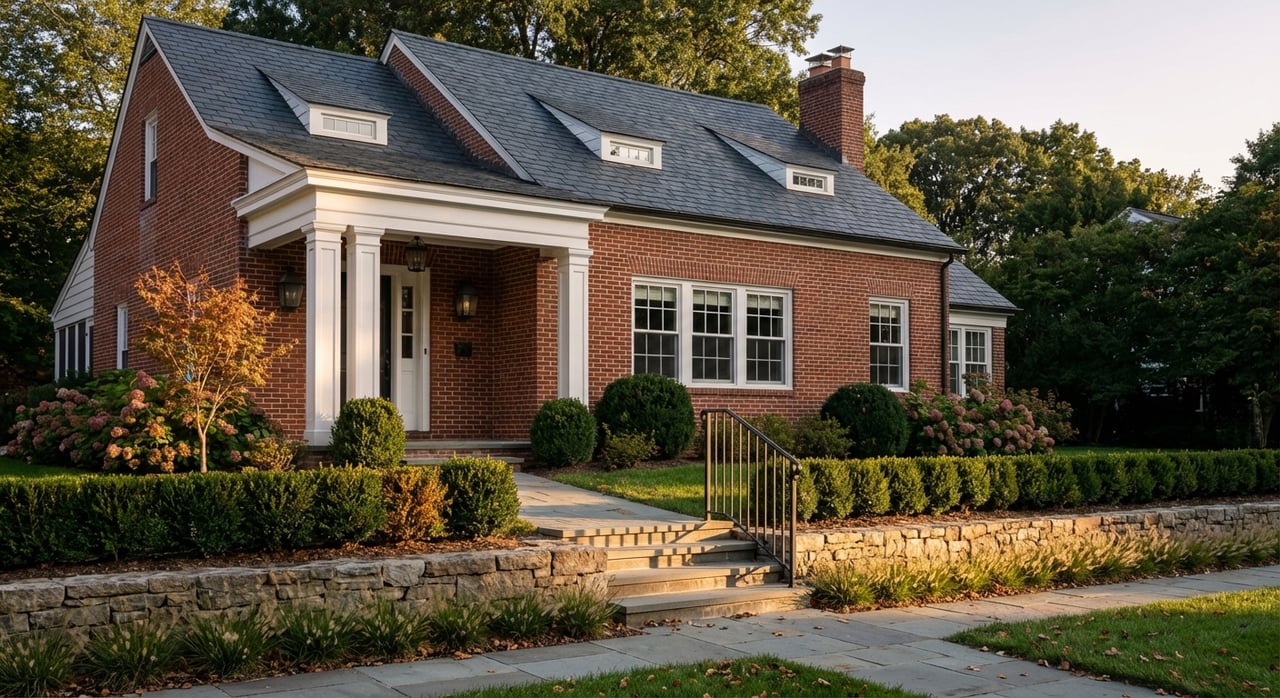
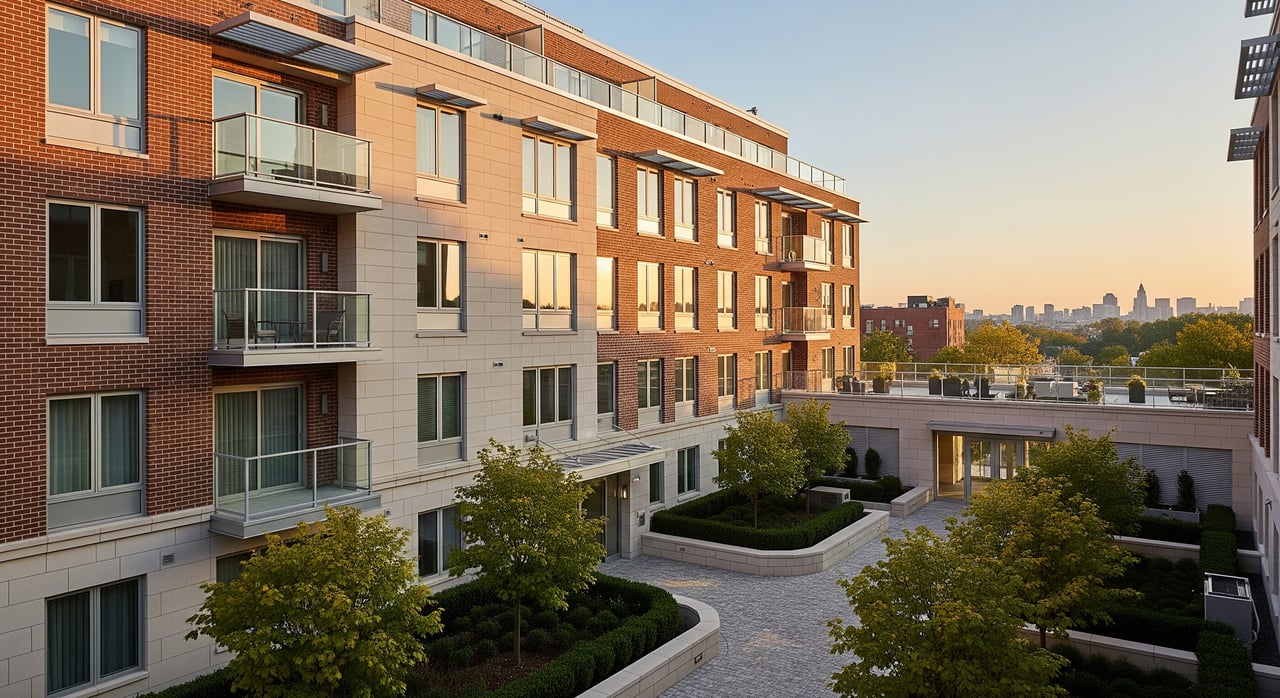
You’ll see a mix of single-family homes, attached or small multi-family buildings in village neighborhoods, and condo or co-op residences near the harbor. Styles range from traditional Colonials and Shingle-inspired homes to mid-century properties and newer builds designed to maximize views.
True waterfront lots are limited, which can make them competitive when they hit the market. Homes with shared docks or bulkheads may fall under an HOA, which means rules and monthly dues that affect your budget. If you’re comparing condos or co-ops, review common charges, capital reserves, and policies related to waterfront infrastructure.
What to know before you buy
Buying near the water involves a few extra steps. Prioritize these checks to protect your investment:
- Flood zone and elevation. Request a FEMA flood zone determination and, if available, an elevation certificate. Start with the FEMA Flood Map Service Center for a property-level view.
- Insurance. Ask for a history of any flood or water-related claims and price out both NFIP and private flood insurance options early in your search.
- Seawalls, bulkheads, and docks. Confirm who owns and maintains any shoreline structures and whether permits are current. Maintenance needs can affect costs over time.
- HOA/COA rules. If the property is part of a community, read bylaws and review budgets and assessments for shared waterfront features.
- Past storm impacts. Ask for seller disclosures and check municipal records for historic tidal flooding or storm surge reports in the immediate area.
Permits and regulations
Shoreline projects usually require multiple layers of approval. Docks, bulkheads, and similar structures often need permits from the village or town and, in some cases, county or state agencies. Early conversations with local offices save time and prevent surprises.
For local applications and zoning guidance, begin with the Village of Mamaroneck or Town of Mamaroneck. For state rules on coastal permits, wetlands, and water quality advisories, review resources from the New York State Department of Environmental Conservation.
Getting around and commute
The Metro-North Railroad’s New Haven Line serves the Mamaroneck station, which provides direct service to Manhattan and regional destinations. Schedules change, and express versus local trains can influence your door-to-door time. Check the Mamaroneck station page for current details and service updates.
Some waterfront streets are within walking distance of the station. Others rely on municipal parking or drop-off. For permit rules and availability, consult village parking resources. Driving to regional hubs is straightforward via nearby highways, though traffic patterns at peak hours can add time.
Environmental and safety basics
Coastal living here means staying informed about tides, storms, and long-term sea-level considerations. Nor’easters and hurricanes can bring storm surge to Long Island Sound, and local vulnerability depends on lot elevation, shoreline protection, and distance from the harbor mouth. For real-time and historical conditions, use NOAA tide and climate data.
Westchester County studies sea-level resilience and coastal planning. If you’re considering improvements or long-term ownership, review county planning materials and village updates on infrastructure. The Westchester County Planning Department and local emergency management pages share relevant projects and preparedness tips.
A day in the life on the waterfront
Morning often starts with a quiet walk near the marinas, where you’ll pass early commuters and boat owners prepping for the day. If you commute, the train is a short walk or quick drop-off from many streets near the harbor. Midday brings errands downtown and a stop at a local market or cafe.
Afternoons and early evenings show off the shoreline best. You might see sailing programs out on the Sound or small races in fair weather. Dinner can be a simple patio meal with water views or a relaxed night out nearby. Weekends shift to longer park visits, boating, and short drives to Sound-side parks across Westchester.
Smart steps for your search
Use this checklist to keep your process simple and thorough:
- Walk-test the location. Try the route to the station, shops, and shoreline on a weekday morning and a weekend afternoon.
- Call the harbormaster. Confirm slip or mooring availability, waitlists, and launch logistics.
- Verify flood details. Pull the property’s FEMA report and ask for any elevation certificates and claim histories.
- Review maintenance. Note any seawalls, bulkheads, docks, or pilings and ask for service records.
- Confirm HOA/COA items. Review rules, reserves, and assessments if applicable.
- Check permits early. For any planned renovations, contact village or town officials and scan state guidance via the New York State Department of Environmental Conservation.
- Watch the seasons. Visit in both busy and quiet months to gauge boat traffic, noise, and parking.
How we help you buy with confidence
A smooth waterfront purchase blends local insight with careful due diligence. You deserve clear answers on flood zones, insurance, HOA rules, and marina access, along with honest guidance on value, condition, and long-term upkeep. With patient, education-first support and strong vendor connections, you can move forward with clarity and enjoy the lifestyle you’re seeking.
When you’re ready to explore, connect with a local advisor who knows the shoreline, understands permitting, and navigates competitive listings with care. Reach out to Aileen Yambo for a conversation in English or Spanish and a tailored plan for your move.
FAQs
What is day-to-day life like on the Mamaroneck waterfront?
- Expect walkable access to marinas and downtown, seasonal outdoor dining and events, and quieter winter months with continued community activities.
How do I check if a Mamaroneck property is in a flood zone?
- Use the FEMA Flood Map Service Center for a property report and ask for an elevation certificate and any past flood or insurance records.
Are there public beaches and parks on the Mamaroneck shoreline?
- Access varies by location; some areas are public, while others are private or require permits. Confirm details with the Village of Mamaroneck and Westchester County Parks.
What permits are needed for docks or seawall work in Mamaroneck?
- Waterfront improvements usually require village or town approvals and sometimes state permits; start with local offices and review the New York State Department of Environmental Conservation for coastal rules.
How is the NYC commute from the Mamaroneck waterfront?
- The Metro-North New Haven Line serves the area; check the Mamaroneck station page for schedules, and verify parking or walking routes from your specific street.