Thinking about leaving NYC without giving up access to it? Harrison may be one of the places worth a closer look. If you want more space, a more suburban daily rhythm, and a commute that can still keep Manhattan within reach, it helps to know what the move really looks like before you start touring homes. This guide breaks down what relocating buyers should know about housing, commuting, budgeting, and day-to-day life in Harrison. Let’s dive in.
Why NYC Buyers Consider Harrison
Harrison is about 22 miles north of Manhattan in Westchester County, and the town describes itself as offering an easy NYC commute with a more relaxed pace, varied downtown areas, and convenient access to shopping, dining, recreation, and public transportation. That combination is a big reason many city buyers put it on their shortlist.
For many NYC movers, the appeal is not about cutting yourself off from the city. It is more about trading density for space and shifting into a train-plus-car routine that may feel more manageable over time. According to Harrison’s town overview, the community also highlights year-round recreation and a range of neighborhood settings.
What Harrison Feels Like Day to Day
Harrison has a more suburban pattern than most NYC neighborhoods. The town covers 16.77 square miles, with a July 1, 2024 population estimate of 31,321 and a population density of 1,683 people per square mile, based on U.S. Census QuickFacts for Harrison.
That matters because your everyday routine may change in practical ways. You may spend less time walking to everything and more time planning around train schedules, parking, errands, and driving. For some buyers, that is a welcome shift. For others, it is an adjustment worth thinking through before making an offer.
Census data also shows that 23.2 percent of residents are under 18, the average household size is 2.88, and 87.3 percent of residents lived in the same home one year earlier. Those figures suggest a settled community where many households stay put, which can be helpful context if you are looking for long-term stability.
Housing Options in Harrison
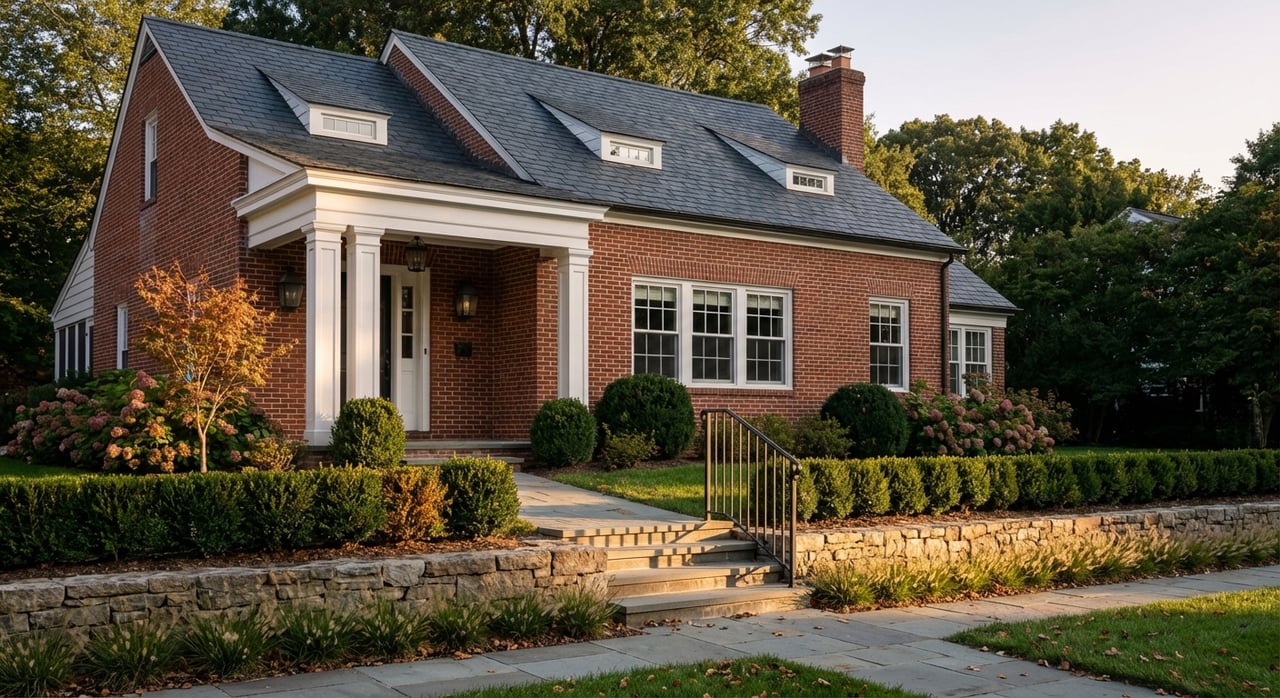
If you are moving from NYC, one of the first surprises may be the housing mix. Harrison is known for its predominantly single-family home character, especially in lower-density residential areas, according to the town’s comprehensive plan.
At the same time, there is also a smaller but meaningful supply of condos, apartments, two-family properties, and multi-family or mixed-use housing, especially in downtown areas and near the rail corridor. That can give relocating buyers more than one entry point into the market depending on budget, commute goals, and how much maintenance you want to take on.
Recent planning activity supports that broader housing picture. Town materials reference projects or proposals including a multi-family building on Harrison Avenue, a residential mixed-use community on West Red Oak Lane, another mixed-use building on Harrison Avenue, and an office conversion to multi-family use on Halstead Avenue. In plain terms, you should expect a market with strong single-family demand but not a one-size-fits-all housing stock.
What Homes Cost in Harrison
Harrison is a high-cost suburban market, and that is important to understand early. Redfin market data reported a median sale price of $1.135 million in February 2026, down 2.8 percent year over year, with homes taking a median of 47 days to sell.
It also reported a fall 2025 median list price of $1.45 million. Those numbers should be used as directional context, not as exact apples-to-apples comparisons, because sale prices, list prices, and Census home value estimates measure different things.
The latest Census QuickFacts show a median owner-occupied home value of $1,010,700, an owner-occupied housing rate of 60.5 percent, and a median gross rent of $2,616. For many NYC buyers, that means Harrison can offer more space, but not necessarily a lower monthly cost.
Budget Beyond the Purchase Price
A smart relocation plan looks past the list price. Census data shows median selected monthly owner costs with a mortgage at $4,000+, which gives you a useful baseline for how carrying costs can add up in this market.
Your total monthly budget may also include:
- Metro-North fares
- Parking costs
- Car ownership and insurance
- Home maintenance and repairs
- Utility costs that may be different from your NYC apartment
- Renovation or permit-related expenses if you plan to update a home
This is one of the biggest mindset shifts for city buyers. A home with more square footage, outdoor space, or parking may better fit your lifestyle, but it can also come with a more layered monthly budget.
Commuting From Harrison to NYC
If you still plan to work in Manhattan full time or part time, commuting is a major part of the decision. Harrison station sits on Metro-North’s New Haven Line, and the MTA station page notes that it is accessible, with elevators, ramps, tactile warning strips, audiovisual passenger information systems, ticket machines, and Bee-Line bus connections.
The station does not have a ticket office, and the MTA recommends using TrainTime for trip planning and tickets. For pricing, Harrison is in Zone 14. The MTA lists monthly tickets at $292.25, weekly tickets at $104.00, one-way peak fares at $15.00, off-peak one-way fares at $11.00, weekday day passes at $27.00, and weekend day passes at $22.00.
Commute time can vary more than some buyers expect. An official Metro-North timetable shows Harrison-to-Grand Central examples that range from about 23 to 49 minutes, depending on the train pattern. In other words, your actual commute depends on whether you catch a faster train or a more local one, so it is worth testing that schedule against your real work hours.
How to Compare Areas in Harrison
When buyers relocate from NYC, they often focus first on the house. In Harrison, it is just as important to compare how each area supports your routine. The right fit may come down to convenience, property type, and carrying costs more than square footage alone.
As you narrow your search, consider:
- Distance to Harrison station
- Parking setup and car needs
- Lot size and exterior maintenance
- Housing type, such as single-family, condo, or multi-family
- Commute timing based on your likely train schedule
- Monthly carrying costs, not just mortgage payment
- Whether a home may need permits, approvals, or renovation review
Harrison’s planning and building materials indicate that some residential development and renovations may involve permits or architectural review. That makes local guidance especially valuable if you are considering a property with expansion potential or update needs.
Lifestyle Tradeoffs to Expect
Moving from NYC to Harrison is usually less about losing convenience and more about changing how convenience works. In Manhattan, many errands and services may be a short walk away. In Harrison, convenience often looks like easier parking, more living space, recreation options, and rail access that connects you back to the city.
The town highlights recreation programs including swimming, tennis, baseball, softball, and lacrosse, along with community traditions like the annual Columbus Day celebration. If your goal is a calmer pace without giving up regional access, that balance may feel appealing.
The key is being honest about your priorities. If you want room to grow, a predictable commute option, and a more suburban routine, Harrison may check important boxes. If you rely on a fully walk-everywhere lifestyle, you will want to think carefully about how much driving and advance planning you are comfortable with.
Smart Tips for NYC Relocating Buyers
Before you move forward, it helps to approach Harrison with a clear plan. A few practical steps can save time and help you choose the right part of town and the right property type.
Here are a few smart moves:
- Test the commute in real time. Look at your likely train, not just the shortest possible travel time.
- Set a full monthly budget. Include housing, transit, car costs, maintenance, and any likely updates.
- Compare housing types honestly. A condo, multi-family property, or smaller single-family home may fit your goals better than stretching for maximum size.
- Ask early about permits and renovation limits. This matters if you plan to expand, rework layouts, or update older features.
- Think about routine, not just resale. The best home is the one that fits how you will actually live day to day.
Relocating from NYC is a big move, but it does not have to feel overwhelming. With the right local insight, you can weigh commute reality, market conditions, and lifestyle fit with more confidence. If you are exploring Harrison and want patient, informed guidance tailored to your goals, connect with Aileen Yambo for expert support.
FAQs
What should NYC buyers know about home prices in Harrison?
- Harrison is a high-cost suburban market, with recent data showing a median sale price of $1.135 million in February 2026 and Census data showing a median owner-occupied home value of $1,010,700.
What should relocating buyers know about the Harrison commute to Manhattan?
- Harrison station is on Metro-North’s New Haven Line, and official timetable examples show trips to Grand Central ranging from roughly 23 to 49 minutes depending on the train pattern.
What housing types can relocating buyers find in Harrison?
- Buyers should expect a market led by single-family homes, along with some condos, apartments, two-family properties, and mixed-use or multi-family housing near downtown and the rail corridor.
What monthly costs should NYC movers budget for in Harrison?
- In addition to the mortgage or purchase price, you should budget for Metro-North fares, parking, car ownership, maintenance, utilities, and possible renovation or permit-related costs.
What lifestyle changes should NYC movers expect in Harrison?
- Most buyers experience a shift from a dense walkable routine to a more suburban pattern that often combines train commuting, driving, more space, and recreation-oriented town amenities.
What should buyers compare when choosing a home in Harrison?
- You should compare commute timing, distance to the station, parking, lot size, housing type, and total monthly carrying costs before deciding which property is the best fit.